

Where Medical Innovation Meets Compassionate Care.
For more than two decades, Altoona Clinical Research Center has partnered with leading pharmaceutical companies to bring cutting-edge clinical trials to Central Pennsylvania—giving patients access to tomorrow's treatments today.


72k+
PATIENT DATABASE

1,300+
STUDIES COMPLETED

80+
YEARS OF COMBINED
EXPERIENCE

120+
SPONSORS
& CROs

40,000
SQ FT FACILITY
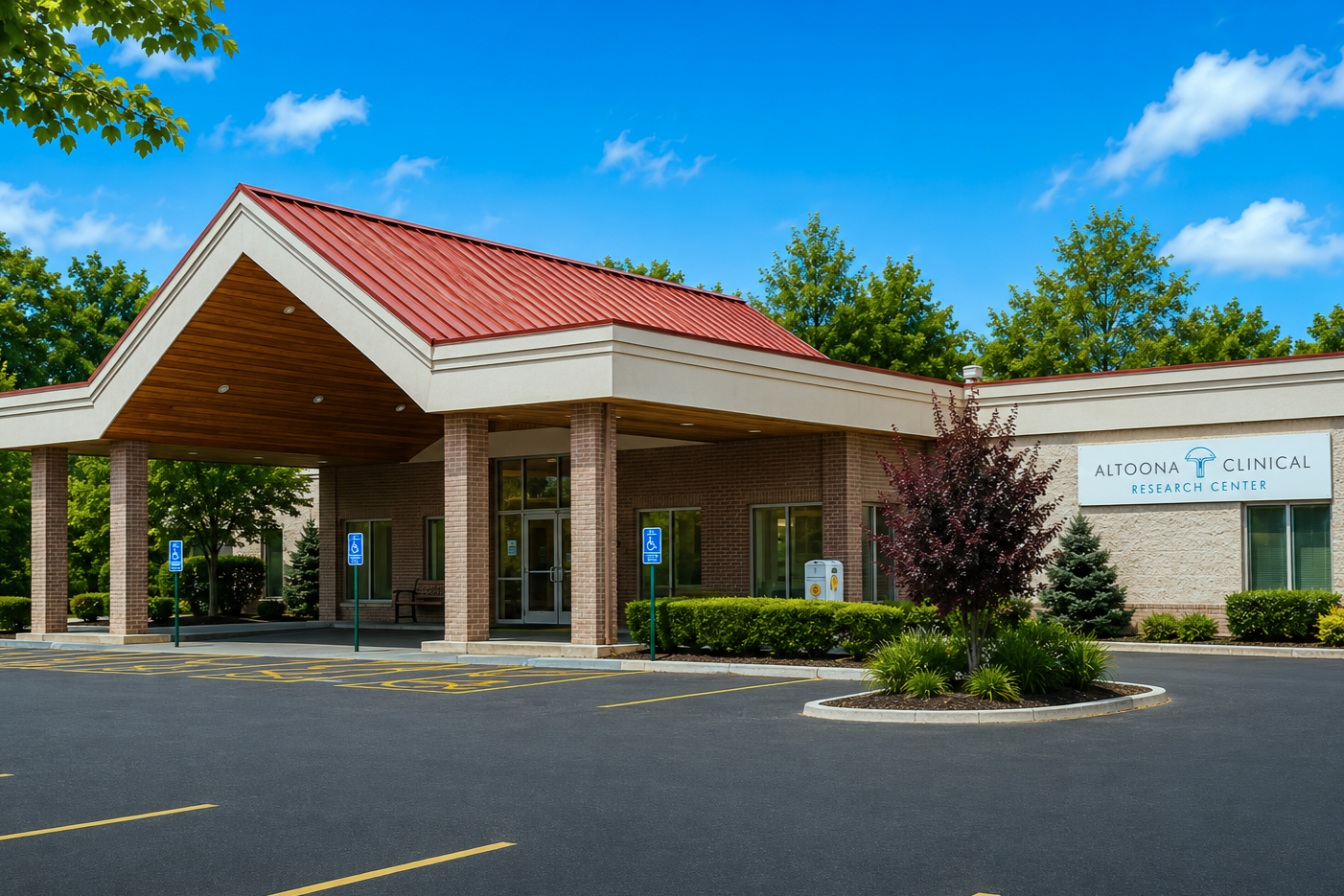
Altoona Clinical Research Center
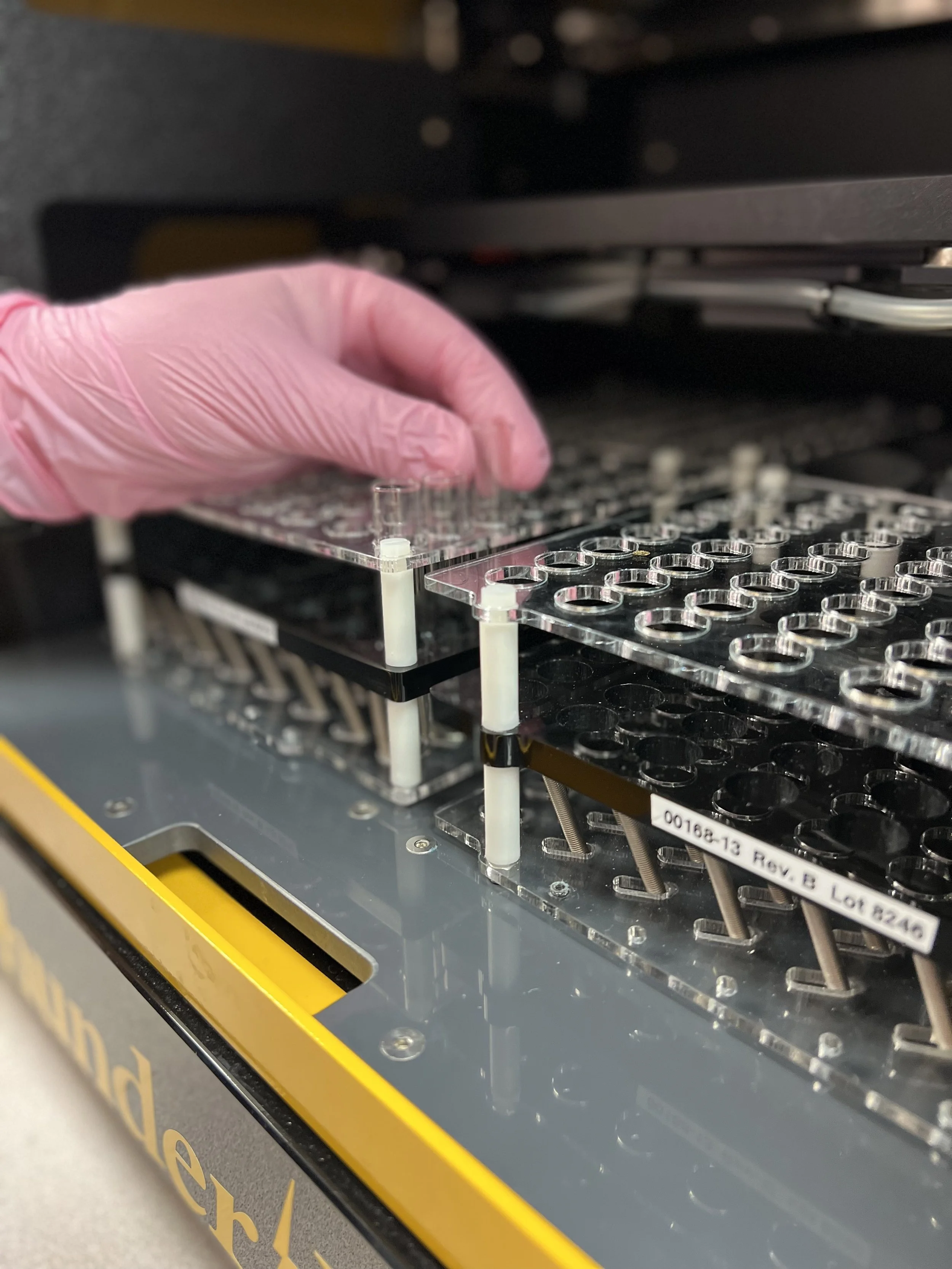
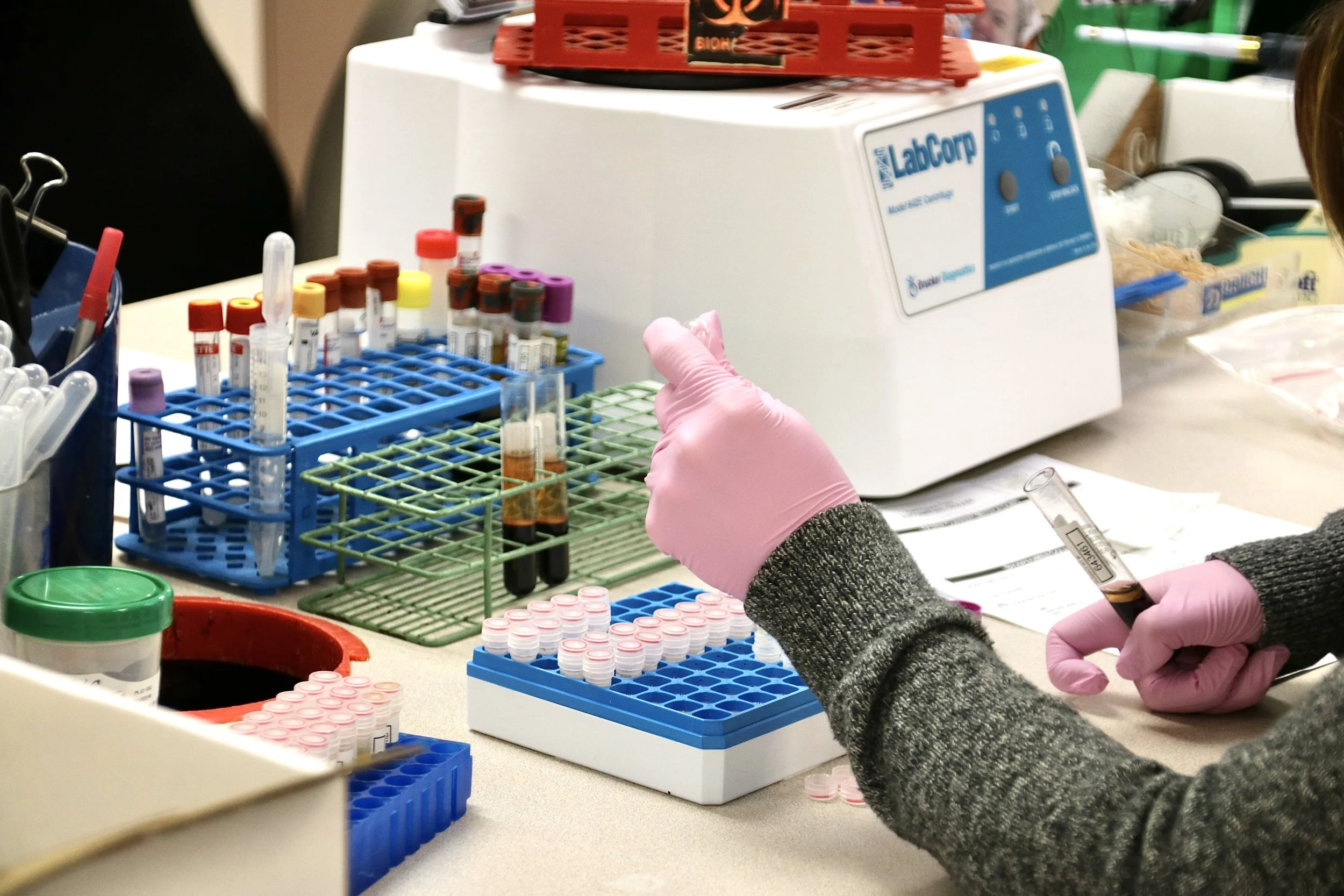
At Altoona Clinical Research Center, our state-of-the-art laboratory is dedicated to advancing medical science through precise, high-quality analysis that supports both clinical trials and healthcare innovation. By leveraging advanced technologies, rigorous quality standards, and the expertise of our seasoned laboratory professionals, we generate reliable data that facilitates the development of next-generation treatments. Whether supporting groundbreaking pharmaceutical research or enhancing patient care, our unwavering commitment to precision, integrity, and excellence ensures that every study adheres to the highest scientific and ethical standards.
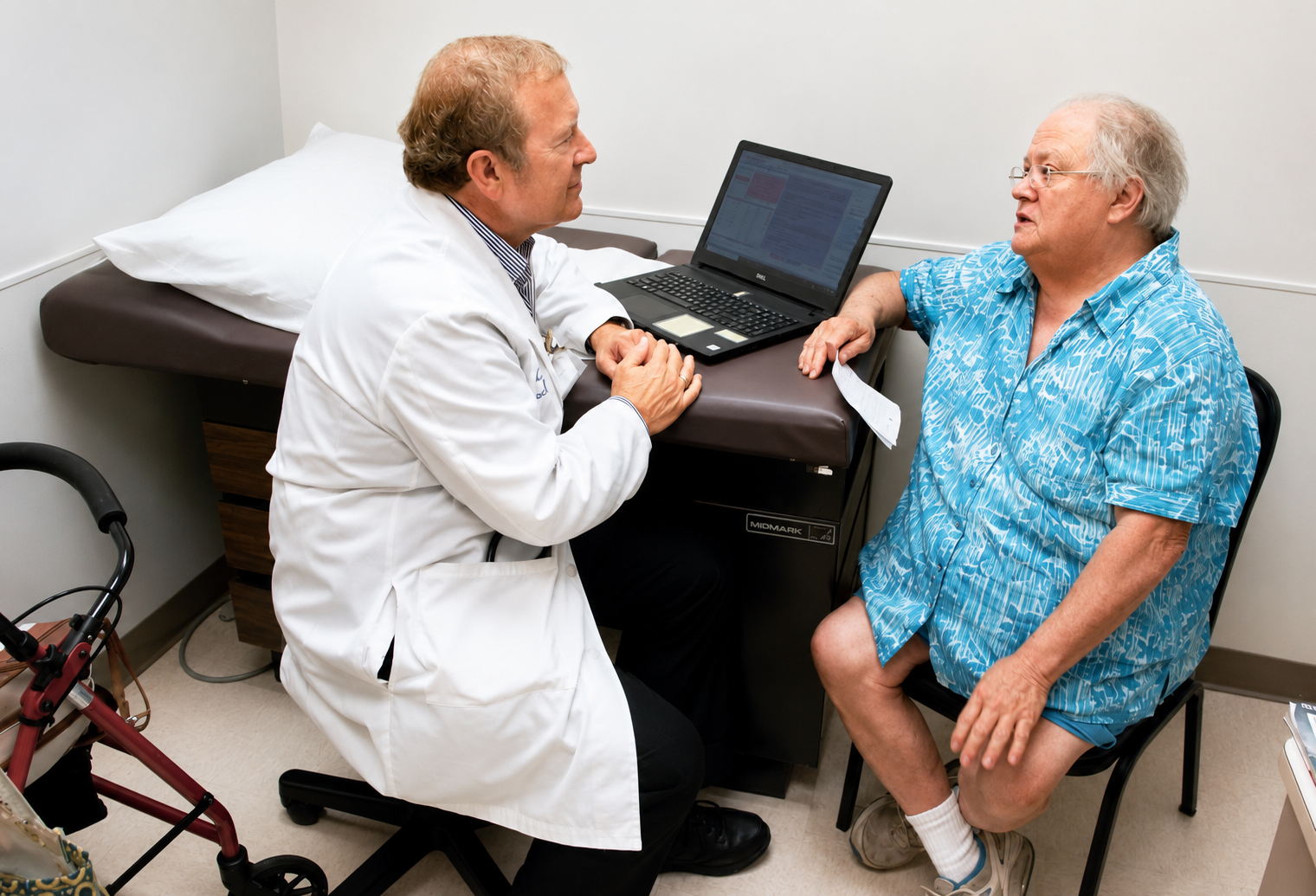
We seamlessly integrate sophisticated laboratory capabilities with compassionate patient care. By prioritizing accuracy and safety, we give our participants, physicians, and research partners confidence that every stage of the research process is driven by a shared mission to improve healthcare outcomes for future generations.
Participate in a Clinical Trial
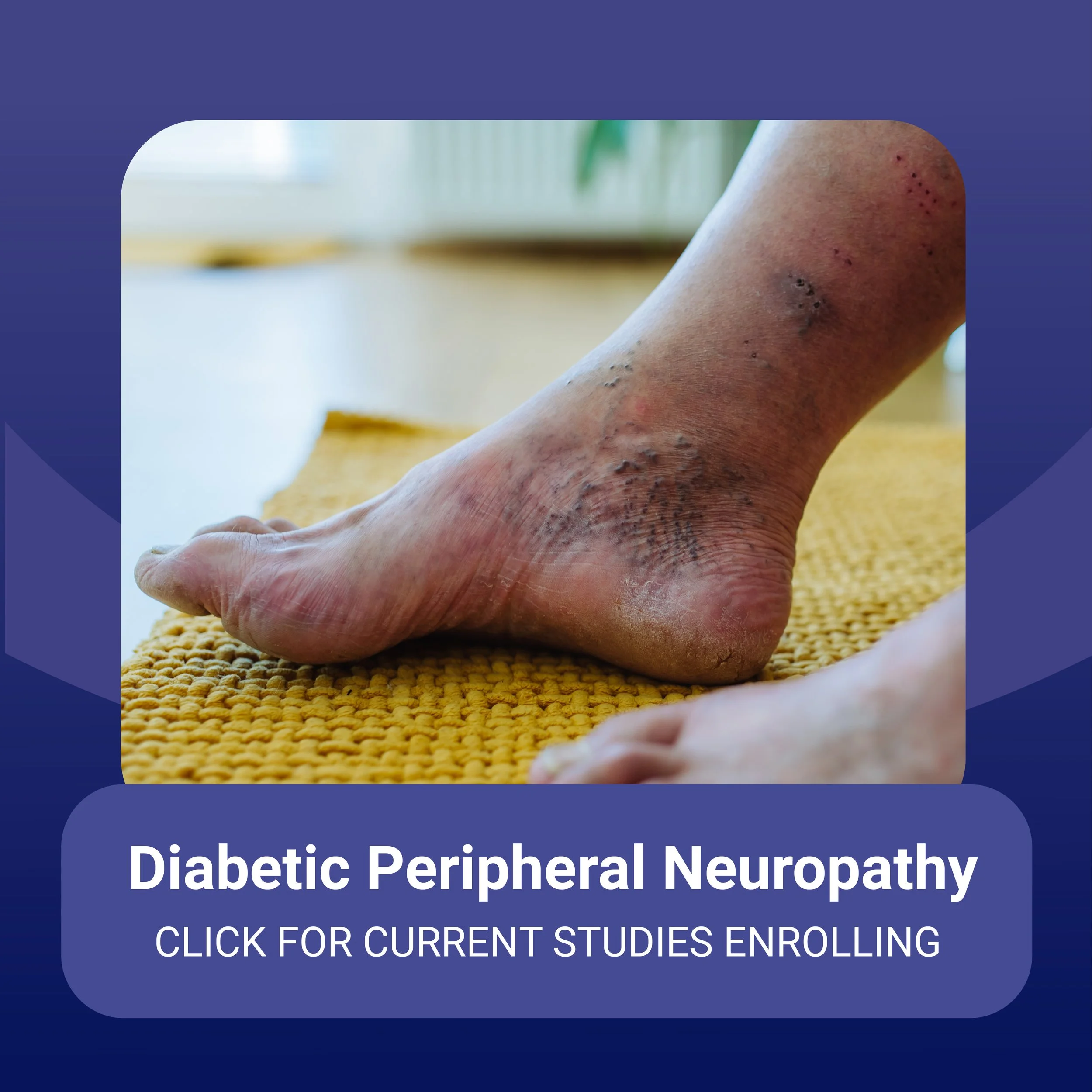
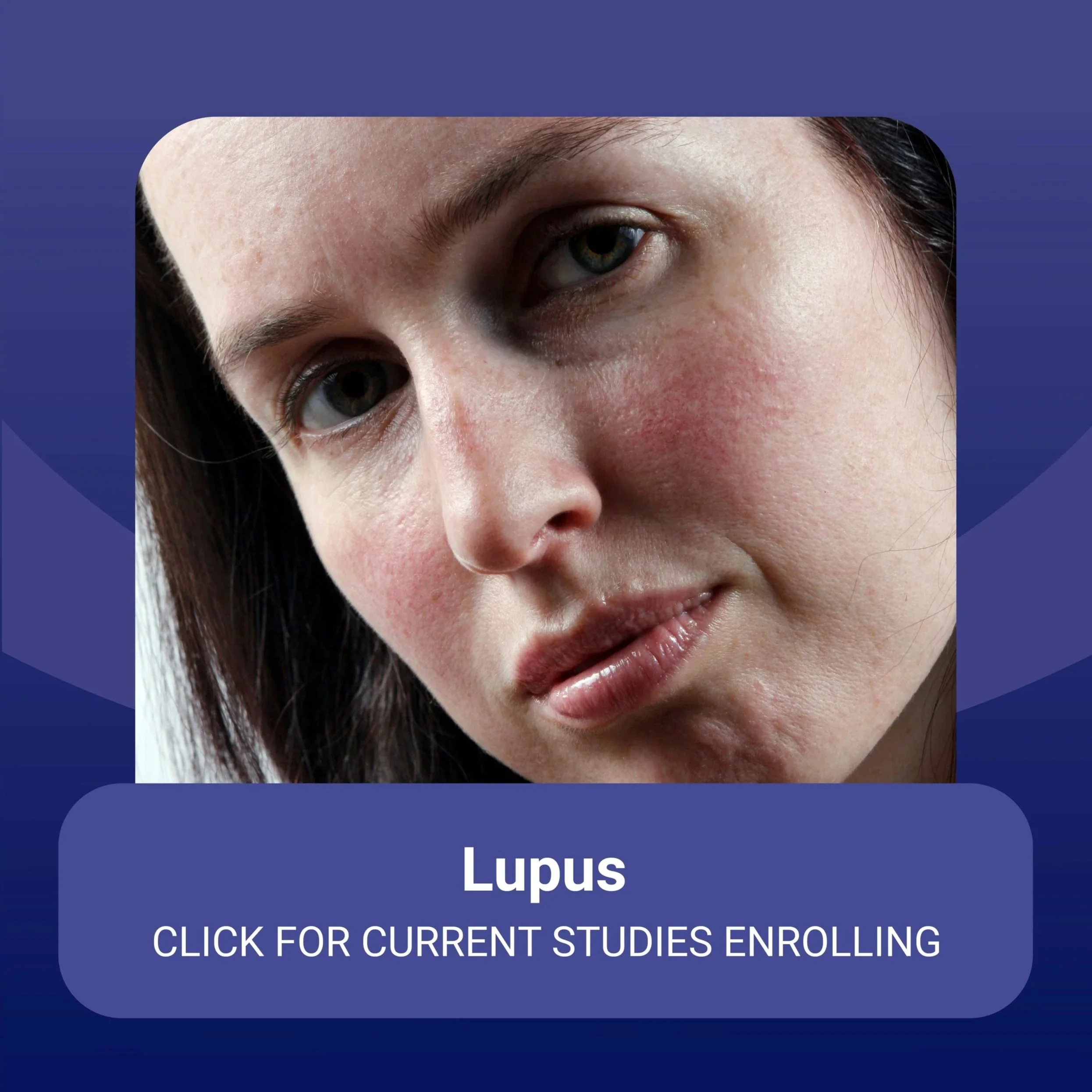
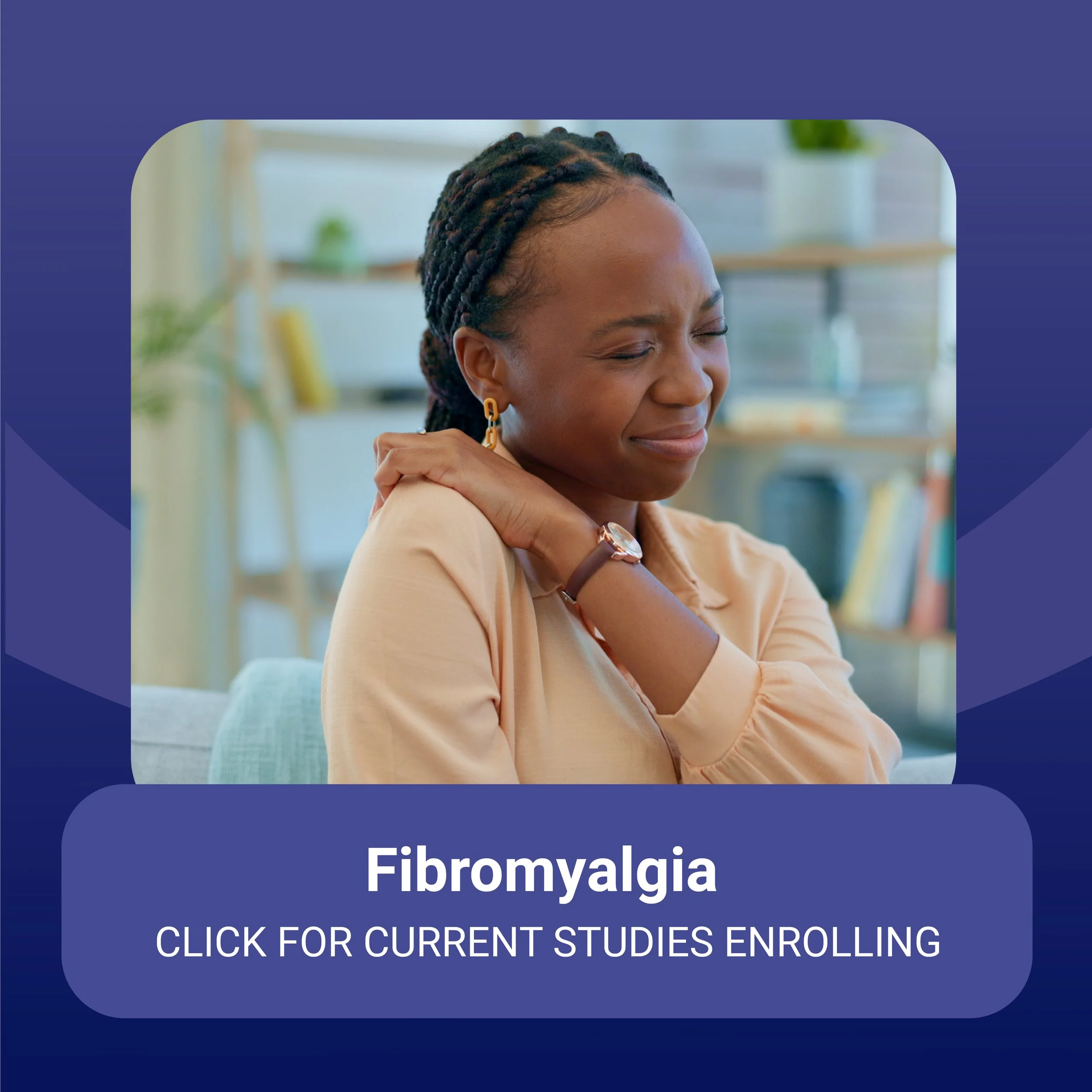
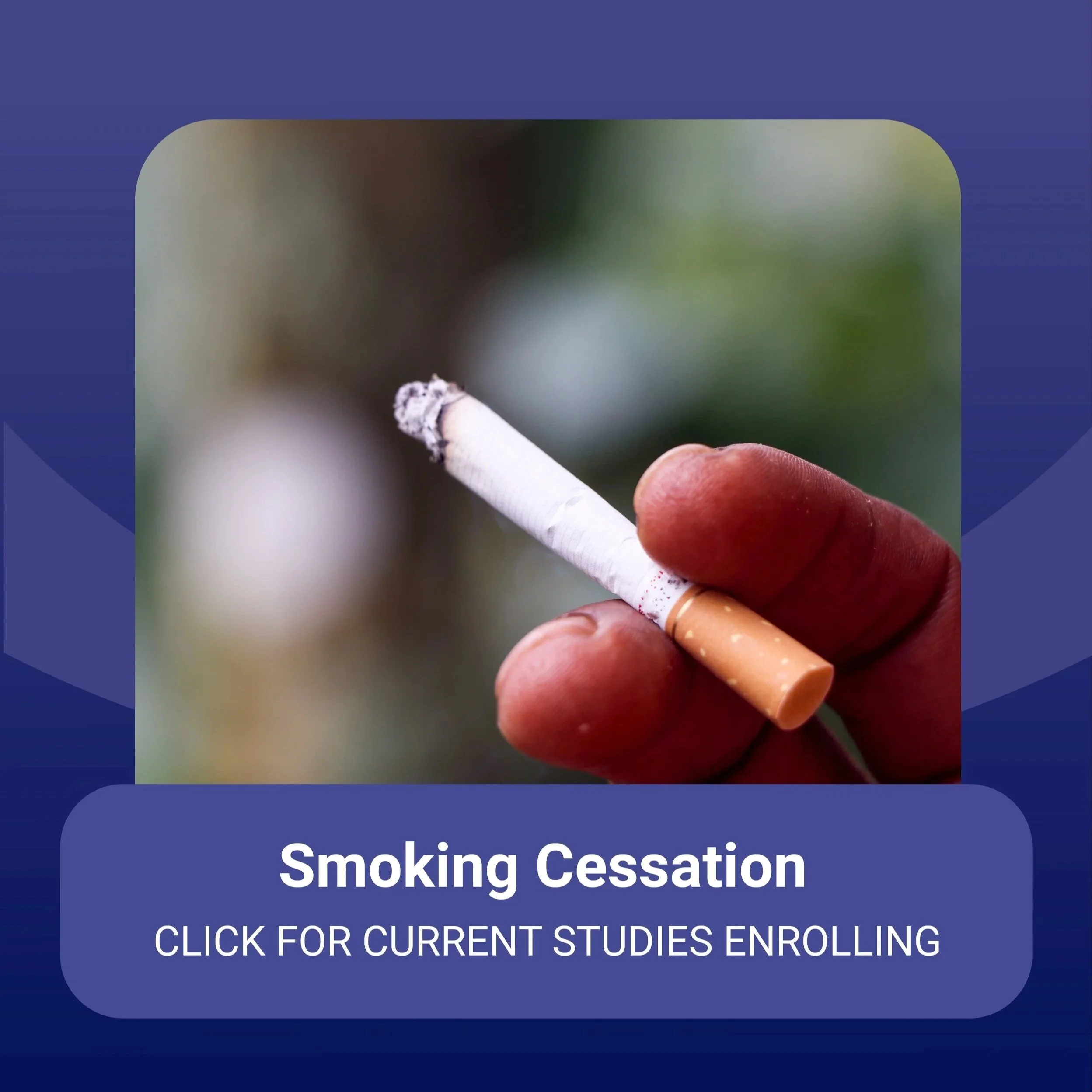
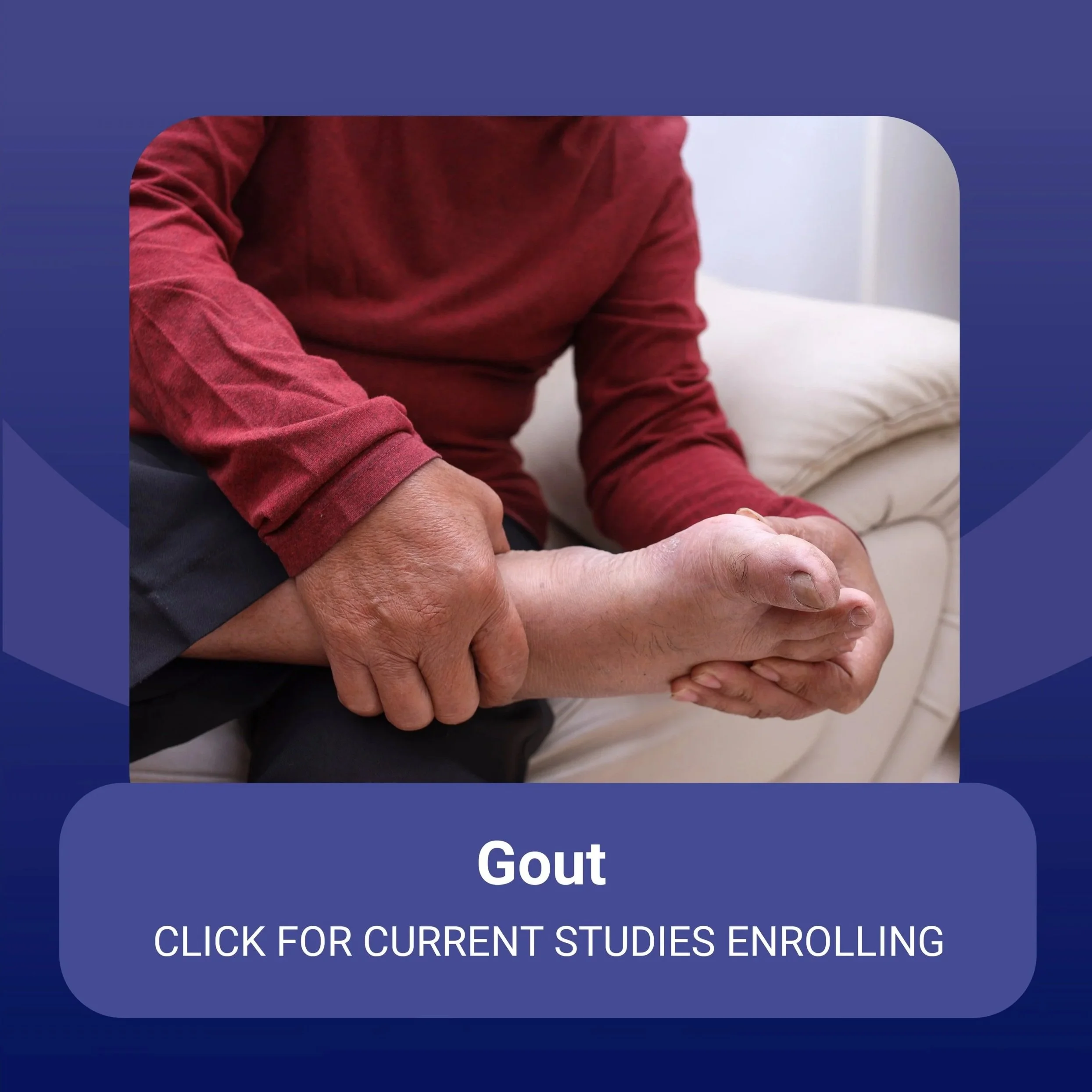
Why Participate? By participating in a clinical trial, you can play an important role in advancing medical research and improving future treatments. Many studies also provide study-related care and health monitoring at no cost, and some offer compensation for time and travel. Every study is voluntary and conducted under strict safety and ethical guidelines to help protect participants at every step. We are currently enrolling participants in the following studies. You can call or text now to speak with our clinical trial coordinator, or click “enrollment questionnaire” to pre-qualify for studies now open. Click here to learn more about “why participate?”







What are clinical trials & why should you participate?
Every approved treatment began with a clinical trial, and every participant helps move that medicine forward.
Volunteers are essential to clinical trials. A patient volunteer (someone with a known health problem) can help researchers better understand, diagnose, treat, or cure that disease or condition. But healthy volunteers, who have no known major health problems, also play an important role in clinical research. They help researchers learn things that may indirectly help themselves and people they know. Both types of volunteers are needed, because researchers can learn more about a disease by comparing patient volunteers to healthy volunteers.
The purpose of clinical trials is research, so the studies follow strict scientific standards. These standards protect patients and help produce reliable study results.
Clinical trials are one of the final stages of a long and careful research process. The process often begins in a laboratory (lab), where scientists first develop and test new ideas.
If an approach seems promising, the next step may involve animal testing. This shows how the approach affects a living body and whether it's harmful. However, an approach that works well in the lab or animals doesn't always work well in people. Thus, research in humans is needed.
For safety reasons, clinical trials start with small groups of patients to determine whether a new approach causes harm. In later phases of clinical trials, researchers learn more about the new approach's risks and benefits.
Clinical trials are a key research tool for advancing medical knowledge and patient care. Clinical research is done only if doctors don't know
• Whether a new approach works well in people and is safe, and
• Which treatments or strategies work best for certain illnesses or groups of people.
Clinical trials help improve and advance medical care. They also can help health care decision-makers direct needed resources to the strategies and treatments that work best.